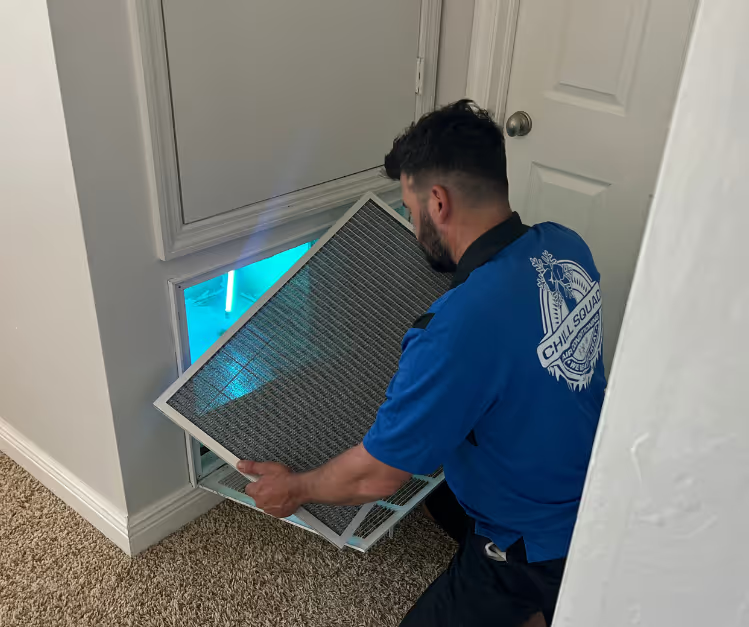

Indoor Air Quality in Southwest Florida
We all take it for granted, learn why you should care.

What is Indoor Air Quality or IAQ? The National Institute of Environmental Health Sciences defines Indoor Air Quality (IAQ) as the air quality within and around building, affecting occupant health and comfort.
Indoor air is often 5x more polluted than outdoor air. 1
Common Causes of Poor IAQ in Cape Coral and Fort Myers Florida
- Inadequate Ventilation: In the Southwest Florida heat, we often don’t get enough outdoor air entering our homes (to in turn dilute indoor emissions).
- Source Emissions: Tobacco smokes, cleaning products, candles and essential oils all pollute the air we breathe in our home.
- Biological Contaminants: Mold, bacteria, viruses, pet dancer and those pesky Southwest Florida bugs all diminish the quality of air we breath inside our homes.
- Household Products & Building Materials: VOCs (Volatile Organic Compounds) from paint, carpets, and furniture; asbestos and radon.2
- Environmental Factors: One of the largest factors in poor indoor quality in Cape Coral and Fort Myers homes is the natural high temperatures and humidity levels that we live in.
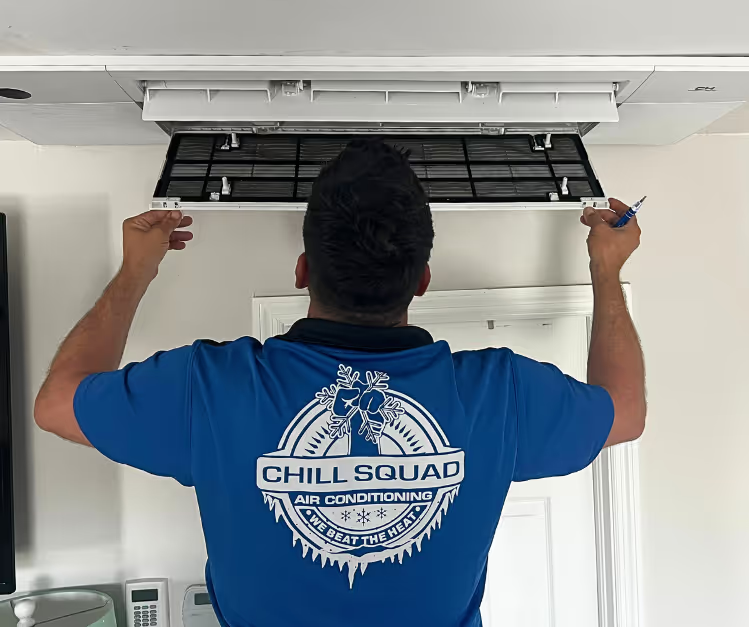
What are the effects of poor indoor air quality on your family?
“Improving indoor air quality has been shown to boost cognitive performance by as much as 61% in office environments” - Harvard University Study led by Dr. Joseph G. Allen.
Asthma and allergies affect millions of people across the U.S., including many children, and they’re especially relevant here in Cape Coral and Fort Myers. Southwest Florida’s heat and high humidity can create an ideal environment for common indoor allergens to build up and persist throughout the year.
Even in newer or well-maintained homes, allergens are more common than most people think. Research has shown that over half of U.S. homes contain at least six detectable allergens, including dust mites, pet dander, mold, and cockroach particles4. In our area, moisture levels can make issues like mold growth and dust mite activity even more noticeable if indoor conditions aren’t properly managed.
In addition to biological allergens, studies have also found that chemicals from everyday household products are present in the majority of indoor dust samples. These particles can accumulate over time, particularly in homes that stay closed up for long periods - which is common in Southwest Florida as we rely on air conditioning to stay comfortable.
How Chill Squad can help improve your indoor air quality?

Installing a whole-home dehumidifier is one of the most effective ways to manage indoor moisture levels, especially in Southwest Florida. Unlike portable units, these systems integrate directly with your HVAC system and work continuously to remove excess humidity throughout your entire home - not just one room. This helps maintain more consistent comfort, reduces strain on your air conditioner, and can improve overall air quality by limiting conditions where mold, mildew, and dust mites thrive. Because we run AC almost year-round, homes in Cape Coral and Fort Myers tend to stay closed up tight. That makes humidity control even more important, not just for comfort, but to help prevent mold, musty odors, and long-term damage.
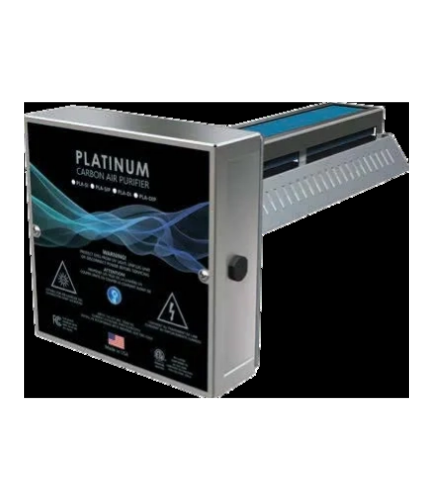
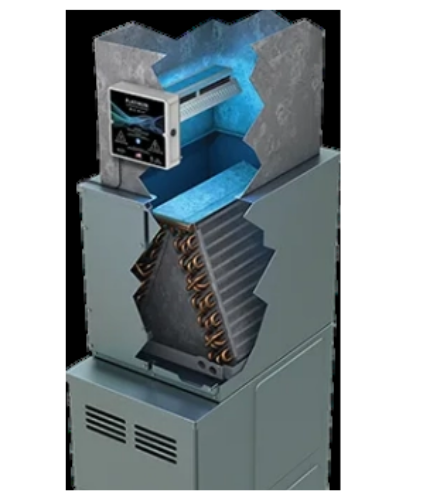
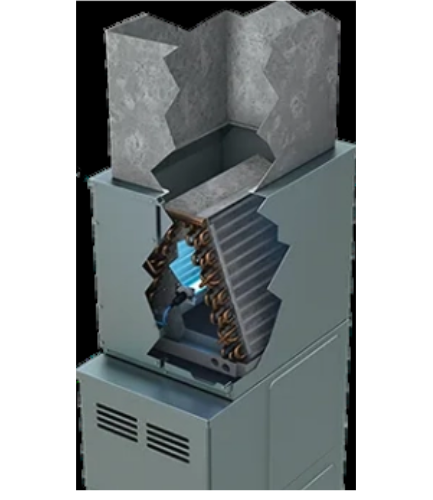
Another option is an active air purification system that uses UV light combined with a catalyst to create ionized hydro-peroxides and other charged particles. These are distributed throughout your ductwork and into your living space, helping to reduce airborne contaminants as well as lightly treating surfaces. This approach goes beyond filtration by actively sending cleaning molecules into the air you breathe.
Depending on your home and air quality concerns, we can recommend the right combination of these technologies to create a cleaner, healthier indoor environment.
How can you help improve the indoor air quality in your Cape Coral home?
- Control Pollution at the Source
Reduce or eliminate common indoor pollutants. For example, avoid smoking indoors and choose low-VOC (volatile organic compound) paints, cleaners, and household products. - Increase Fresh Air Ventilation
Take advantage of Cape Coral’s cooler, less humid days by opening windows to let fresh air circulate. You can also run bathroom or exhaust fans to help remove stale indoor air. - Keep Your Home Clean
Regular cleaning helps reduce dust, pet dander, and allergens. Use a vacuum with a HEPA filter for the best results, especially if you have pets.
Improving your home’s air quality doesn’t have to be complicated.