Strange Noises From Your AC? What It Means in Cape Coral Homes
Your air conditioner should make noise - but it shouldn’t sound weird.
In Cape Coral homes, unusual AC sounds are often the first warning sign that something inside the system is starting to fail. Because Southwest Florida systems run almost year-round, small issues can turn into major breakdowns quickly if ignored.
The good news? Different sounds usually point to different problems. If your AC has started buzzing, grinding, rattling, squealing, or humming, here’s what those noises may mean and when it’s time to call for professional help.
Why AC Systems in Cape Coral Develop Noise Problems Faster
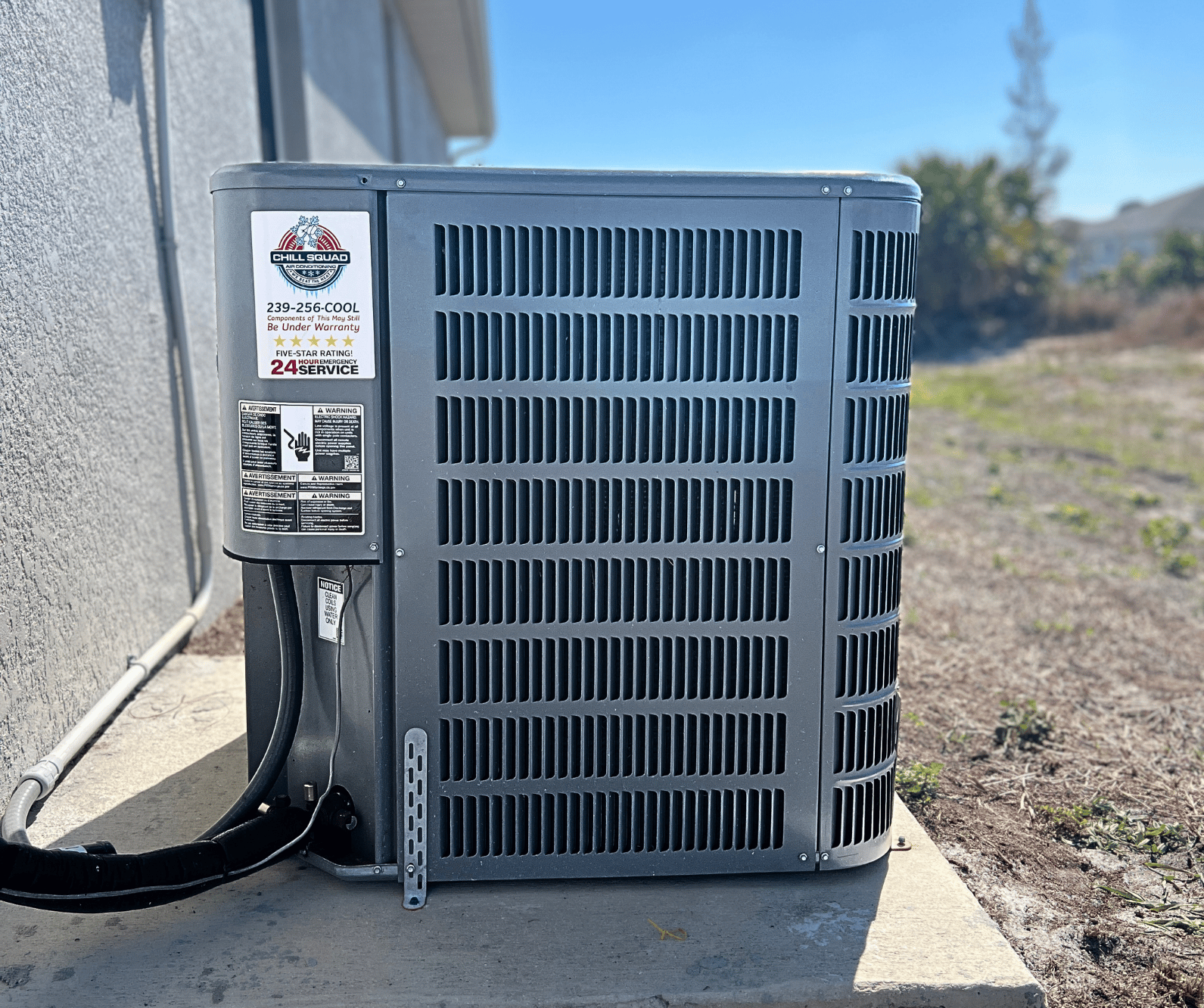
Air conditioners in Southwest Florida experience much more wear-and-tear than systems in cooler climates. Cape Coral AC systems constantly battle:
- Heat
- Humidity
- Salt-air exposure
- Long cooling cycles
- Summer power fluctuations
Over time, this stress affects moving parts, electrical components, motors, and condenser coils - all of which can create unusual sounds when something begins failing. If your system suddenly becomes noisy during a heatwave or after a storm, there’s a good chance the problem is getting worse under heavy demand.
That’s why many homeowners schedule preventative Cape Coral AC maintenance before summer arrives.
Buzzing Noises: Usually Electrical or Loose Components
Buzzing is one of the most common AC noises homeowners hear. In many Cape Coral systems, buzzing sounds are connected to:
- Failing capacitors
- Loose electrical connections
- Contactor issues
- Compressor strain
- Vibrating panels
Outdoor units near canals or coastal areas may also develop corrosion around electrical components due to salt exposure. A faint occasional buzz may not require emergency service immediately, but loud or persistent buzzing should never be ignored.
If the buzzing is accompanied by:
- Burning smells
- Breaker trips
- Warm air
- System shutdowns
you may need immediate emergency AC repair in Cape Coral before additional electrical damage occurs.
Grinding Noises: Shut the System Off Immediately
Grinding noises are more serious. This sound often means metal components are rubbing together inside:
- The blower motor
- Fan assembly
- Compressor
- Bearings
Grinding usually indicates internal mechanical failure that can worsen quickly if the system continues running. If your AC starts making loud grinding or scraping sounds:
- Turn the system off
- Avoid restarting it repeatedly
- Schedule professional service immediately
Continuing to run the system may cause complete motor or compressor failure.
If your system stops cooling entirely after making grinding noises, schedule AC repair in Cape Coral as soon as possible to prevent more expensive damage.
Rattling Noises: Loose Parts or Airflow Problems
Rattling sounds are often caused by loose or vibrating components.
- Loose screws or panels
- Debris inside the outdoor unit
- Damaged fan blades
- Duct vibration
- Loose blower components
Summer storms can sometimes blow debris into outdoor condensers, especially during heavy winds. Minor rattling may seem harmless at first, but loose parts can eventually damage surrounding components if left untreated.
If your system recently experienced a storm-related issue, this article on why AC systems fail during Cape Coral storms explains how weather affects HVAC equipment.
Squealing or Screeching Noises
High-pitched squealing sounds usually involve moving components under stress.
These noises may indicate:
- Worn belts
- Motor bearing issues
- Blower motor problems
- Fan motor failure
While some older systems use belts, many newer Cape Coral systems are more likely experiencing motor-related wear.
Screeching noises should be inspected quickly before the motor overheats or locks up entirely.
Humming Sounds That Suddenly Get Louder
A low humming sound is normal for most AC systems.
But if the humming suddenly becomes:
- Louder
- Constant
- Vibrational
- Accompanied by poor cooling
it may indicate electrical strain or compressor trouble. This is especially common during periods of extreme heat when systems are running continuously for hours.
If your AC hums loudly but doesn’t cool properly, this guide on why AC systems stop cooling in Cape Coral may help identify the cause.
Sometimes Noise Problems Point Toward Replacement
Older systems often become noisier as components wear out.
If your AC is:
- Over 10 years old
- Frequently breaking down
- Making multiple new noises
- Struggling with humidity
- Driving up electric bills
replacement may make more financial sense than continued repairs.
Many Cape Coral homeowners choose AC replacement after repeated compressor or motor failures because ongoing repairs become less cost-effective over time.
For a full breakdown of repair-versus-replacement decisions, read our guide on AC repair vs replacement.
Don’t Ignore New AC Noises
Air conditioners rarely “fix themselves.”
In most cases, strange sounds are early warning signs that something inside the system needs attention.
Catching problems early can often:
- Prevent larger repairs
- Reduce emergency breakdown risk
- Protect the compressor
- Improve efficiency
- Extend system lifespan
Whether your system is buzzing, rattling, grinding, or squealing, addressing the issue quickly can help Cape Coral homeowners avoid bigger problems during the hottest months of the year.